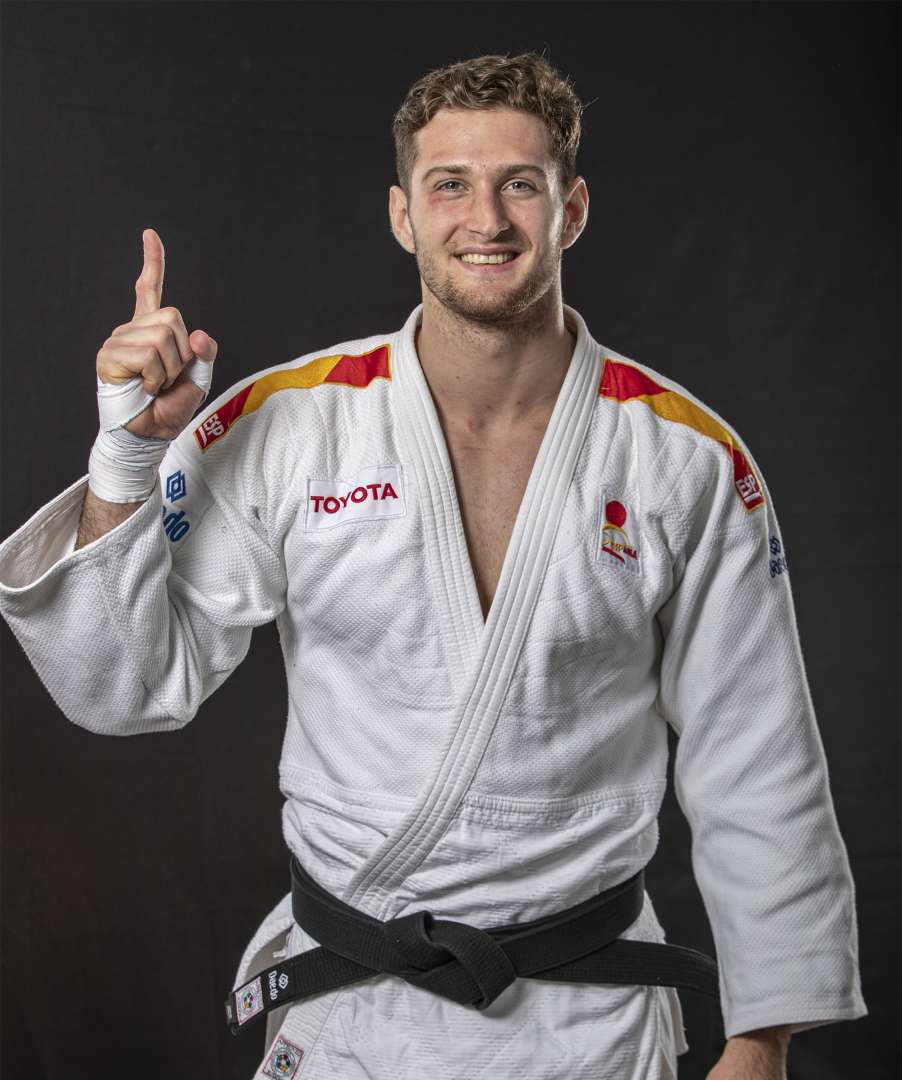

Niko Sherazadishvili: Strength, Resilience and the Art of Reinvention
The newest guest on JudoPod is double world champion Niko Sherazadishvili. In a candid conversation lasting more than fifty minutes, the Spanish judoka opens up about the experiences that have defined his life and career: growing up in Georgia, moving to Spain as a teenager without knowing the language, the sacrifices required to reach the top of world judo, the burden of expectations, the disappointment of the Olympic Games and the process of rebuilding himself in a new weight category.
With honesty, humility and a touch of humour, Sherazadishvili revisits the moments that shaped him, reflecting on victories and setbacks, influential relationships and the decisions that forged both the athlete and the person he has become.
Born in Georgia and developed as a judoka in Spain, Sherazadishvili’s story is one of determination, discipline and continuous growth. A two-time world champion at -90 kg and now one of the leading athletes in the -100 kg division, he has built a career founded on hard work, strong family values and a passion for dynamic, attacking judo.
His journey in Spain began at the age of 13 when his parents made the life-changing decision to relocate in search of better opportunities for their children. Arriving with virtually no knowledge of Spanish, apart from the word “hola,” he was forced to adapt quickly. School, judo and his willingness to communicate despite inevitable mistakes helped him settle into his new environment. Before long, the dojo became a second home.
Judo had been part of his life from an early age thanks to his father, who was also a judoka and served as his first role model in the sport. Sherazadishvili recalls childhood days filled with running, pull-ups and disciplined training sessions. Yet judo was not initially his preferred choice. Like many young boys, he wanted to play football alongside his friends. His father believed otherwise, insisting that judo was the better path for him. Looking back today, Niko readily admits that his father’s instincts were correct.
After arriving in Spain, Sherazadishvili came under the guidance of Quino Ruiz, a coach who would become far more than a technical instructor. For Niko, Ruiz became a mentor and a second father. Their club developed into a close-knit family where support extended well beyond training hours. Quino cared deeply about the personal lives and wellbeing of his athletes, not just the results they achieved on the tatami. That environment became one of the key ingredients in Sherazadishvili’s development and future success.
As a cadet athlete, he made the decision to dedicate himself completely to the sport. His days became structured around training, physical preparation and continuous improvement. School was followed by running sessions, strength work and judo practice, often lasting for hours with little rest in between. As his career progressed, he learned the importance of balancing effort with recovery, understanding that proper nutrition, rest and intelligent planning were just as important as hard work. For Sherazadishvili, true professionalism meant committing fully to every aspect of performance.
That mindset eventually carried him to the summit of world judo. In 2018, at the World Championships in Baku, he achieved one of the defining moments of his career by becoming world champion for the first time. Surrounded by family, teammates and supporters, he approached the final with remarkable calmness. Confident in his conditioning and prepared for a long battle in golden score, he trusted the process and waited patiently for the right opportunity. The victory was historic for Spanish judo and an emotional milestone for everyone who had supported him along the way.
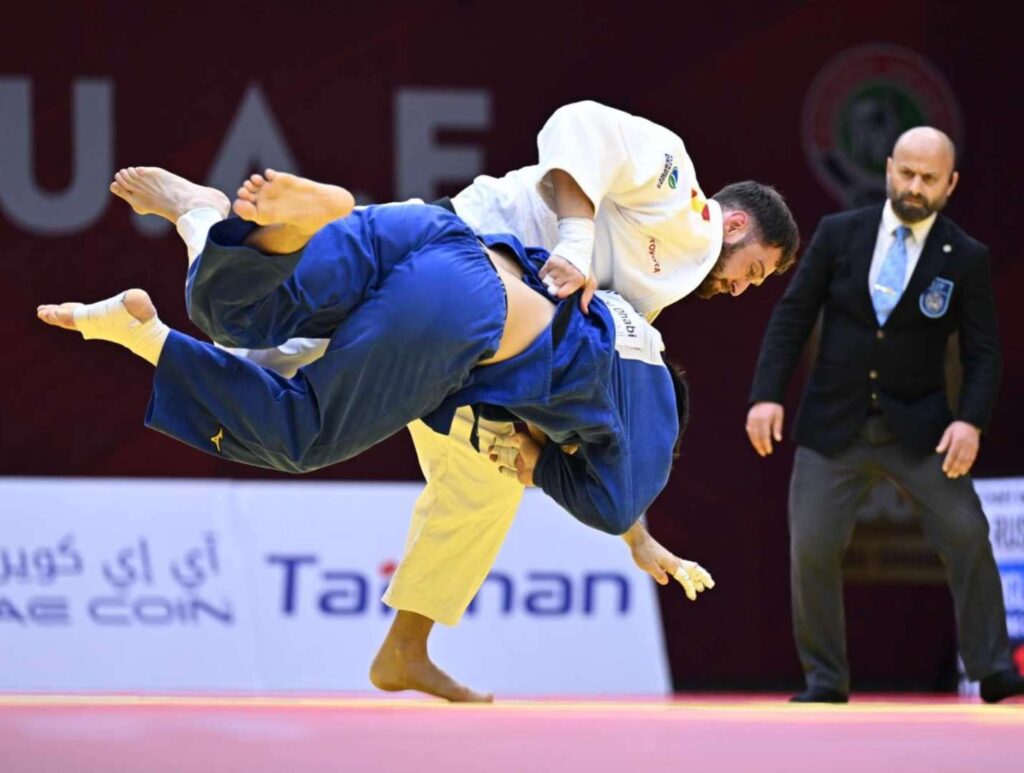
Three years later, he added a second world title in Budapest, confirming his place among the sport’s elite. Yet with success came new challenges. Sherazadishvili admits that becoming world champion changed the way he viewed himself. He placed enormous expectations on his own shoulders, demanding perfection in every performance. Winning was no longer enough. He wanted complete control, spectacular throws and total dominance over every opponent. Over time, however, he learned that balance is just as important as intensity and ambition.
Eventually, the time came to close one chapter of his career. Remaining in the -90 kg category became increasingly difficult as weight reduction grew more demanding and less sustainable. Naturally tall and powerful, Sherazadishvili recognised that his body was changing and that a move to -100 kg was the right decision for both his health and his future.
The transition was not easy. Competing against naturally larger opponents required physical adaptation, particularly because his style relies heavily on strength, gripping exchanges and constant pressure. Building the ideal physique for the new category took time and patience. Despite the challenges, he never considered changing the essence of his judo. Instead, he focused on adapting while remaining true to the style that had brought him success throughout his career.
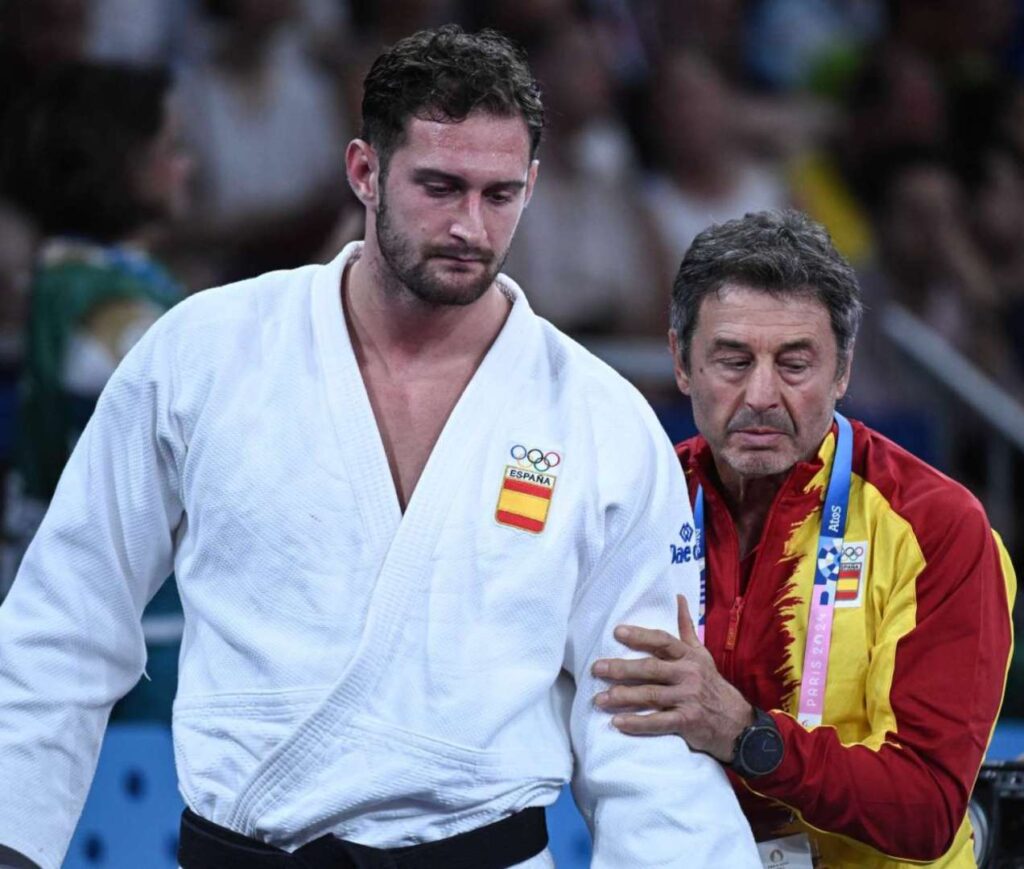
Today, Sherazadishvili has firmly established himself among the leading athletes at -100 kg, highlighted by a world bronze medal and a renewed level of consistency on the international circuit. Looking ahead, he does so with a different perspective. The Olympic Games remain a source of unfinished business after his fifth-place finish in 2024, but his outlook has evolved. Rather than chasing perfection, he now seeks balance, confidence and the freedom to perform at his best when it matters most.
For Niko Sherazadishvili, the message is simple yet powerful. True greatness is measured by more than medals and titles. It is found in the ability to learn from setbacks, adapt to change and continue moving forward with determination, humility and heart.